

As warm weather approaches and families are headed outside for entertainment, water activities tend to be at the top of the list for many. While swimming and water play offer great sensory and developmental benefits for children on the autism spectrum, it can also be a great danger. According to the National Autism Association, drowning is among the leading causes of death among children in general, but the risk is even higher for autistic individuals. That is why Pam Monteferante, Board Certified Assistant Behavior Analyst (BCaBA) for our Surpass Anderson, SC clinic, is sharing her top tips for water safety this spring and summer.
Why are children with autism at a higher risk for drowning?
For some autistic individuals, particularly young children, behaviors can be unpredictable – especially when it comes to elopement. Elopement, also known as wandering or running away, significantly increases the risk of drowning. Research shows that nearly half (49%) of children with autism attempt to elope from a caregiver or safe environment at some point, often in search of sensory input or a special interest. Because these incidents can happen quickly and without warning, they create serious safety concerns for families when near large or even shallow bodies of water.
Communication differences and sensory processing challenges can also increase the danger. Some children with autism may not be able to call for help, express distress, or recognize when they are in a life-threatening situation. Others may seek out water as a sensory experience without understanding the risks involved. Because drowning is often silent and happens in a matter of minutes, these combined factors make proactive water safety planning especially critical for families in the autism community.
6 Water Safety Tips from a BCaBA
1. Become experts on your environment
If you are on vacation or in a new space, take the time to walk around the area and identify any water features nearby. This can include pools, lakes, ponds, or even shallow fountains, and indoor water installments. Being aware of your surrounds can make a huge difference in an emergency situation.
2. Assign and share supervision duties
When you know that your family is going to be near or in the water, it is best practice to assign a specific person to keep close watch of any child, but especially your child with autism. To make this tactic even more effective, Pam recommends switching who is responsible for watching them every 20-30 minutes. That way, everyone can have fun and stay safe!
3. Choose your child’s swimwear strategically
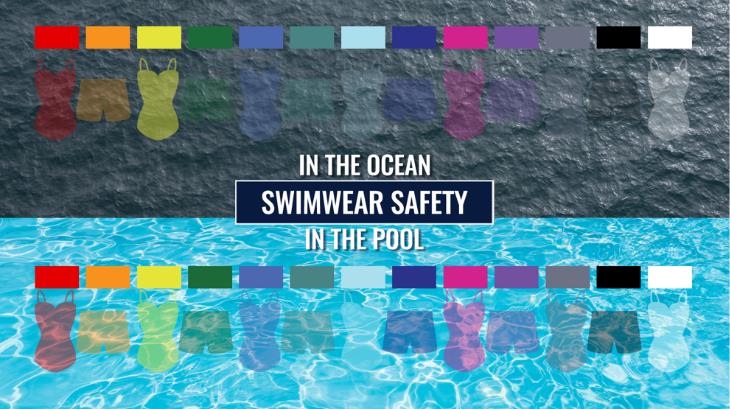
If you’re planning to be in the water for a fun day in the sun, consider choosing bright or neon colored swimwear. Bright colored articles are much easier to see when under water. Avoid colors like while, blue and grey as they can easily “disappear” and make it more difficult to see when someone is under the water.
Additionally, when searching for a life vest or floatation device, consider choosing one that is approved by the U.S. Coast Guard. Any approved gear with the “USCG Approved” stamp meets mandatory safety requirements. Be sure to also consider appropriate sizing when searching for safety devices for your loved ones.
4. Start Swim Lessons ASAP
Swimming lessons are beneficial for a multitude of reasons, but safety is a big one! By learning the necessary skills to float or swim, children are better equipped to stay safe in the water. Search for inclusive swim lessons near you and be an active participant while your child is learning – it’s important for caregivers to be well educated too!
5. Install safety features when possible
If you live near water or have a pool at home, installing safety measures like fences, self-latching gates, locks, and alarms can make a significant difference. These added layers of protection help reduce risk and provide greater peace of mind by limiting unsupervised access to water. When visiting family or friends who live near water or have a pool, communicate openly about safety concerns and ask what precautions they have in place – or could put in place – during your visit. The more proactive and vigilant everyone is, the safer the environment will be for your child.
6. Be proactive about water safety
The best thing that caregivers can do when it comes to water safety is to stay proactive. Be aware of your child’s tendencies around water and monitor their abilities while in the water. From there, you can begin practicing skills that need improvement and enhancing skills that they already have. Working on these things ahead of time sets everyone up for success!
How ABA Therapy Can Support Water Safety Skills
Applied Behavior Analysis (ABA) therapy can support your water safety journey by taking a proactive, skill-building approach. Our clinical experts can assess behaviors of concern such as elopement or difficulty responding to safety instructions and develop an individualized behavior plan designed to decrease unsafe behaviors while teaching more functional alternatives. For example, a child who wanders to access something they want can be taught to mand (appropriately request) or communicate their needs in a safe and effective way. ABA therapy also reinforces critical life skills like responding to their name and following safety instructions. By addressing the root causes of risky behaviors and building practical communication and self-regulation skills, ABA supports not just water safety, but overall independence and long-term well-being.
Although water safety for autistic children can be a tough topic to discuss, it is vital to continue the conversation and spread awareness. Educating yourself and others on how to keep everyone safe near the water can be lifesaving. If you think that ABA therapy could benefit your family by supporting water safety skills, contact our team today. We are here to help guide you to a fun and safe summer season!