
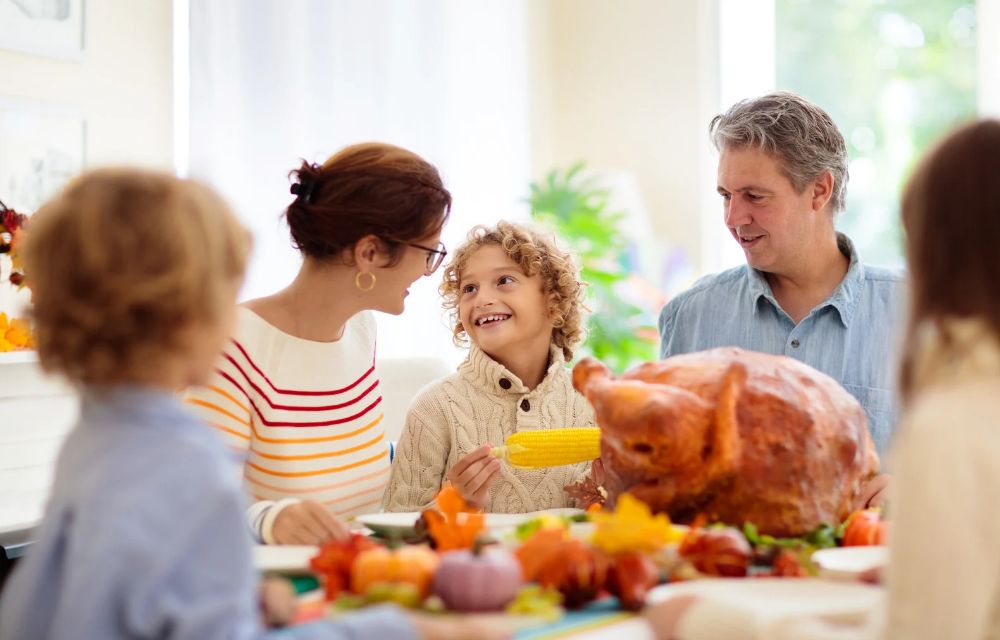

Thanksgiving is a time for family, traditions, and sharing a meal together. But for families of children with autism or sensory sensitivities, the holiday dinner table can sometimes bring more stress than celebration. New foods, unfamiliar smells, different textures, crowded rooms, and changes in routine can make Thanksgiving especially challenging.
To help caregivers prepare, Ashley Sterchi, pediatric speech-language pathologist (SLP) at Surpass, is sharing more about why children with autism may experience feeding challenges and how families can support picky eaters during Thanksgiving and beyond.
Why is My Child Such a Picky Eater?
There are many reasons children struggle with eating, and picky eating isn’t always simply a behavioral issue. Children don’t necessarily eat just because they become hungry enough. There may be underlying sensory, oral-motor, structural, or medical reasons that make eating difficult.
Some common causes include:
Sensory sensitivities: Children may avoid certain textures, temperatures, smells, colors, or tastes. For example, a child might happily eat crunchy foods like crackers and chicken nuggets but refuse anything wet or mushy, such as yogurt or mashed potatoes.
Oral-motor or structural differences: Eating requires coordination between the lips, tongue, cheeks, and jaw. Differences in oral structures, dental development, or motor coordination can make chewing, moving food around the mouth, and swallowing more challenging.
Negative experiences with food: Children who have experienced choking, gagging, vomiting, or pressure to eat may become fearful of unfamiliar foods. These experiences can make mealtimes stressful and lead to increased food avoidance.
Understanding the reason behind picky eating is an important first step toward finding the right support.
Why Do Children with Autism Often Struggle with Food?
Autism and picky eating frequently go hand in hand because many autistic children experience sensory processing differences.
Certain food textures, smells, and temperatures may feel uncomfortable or overwhelming. For example, a child may strongly prefer crunchy foods because chewing provides satisfying sensory input to their jaw and mouth.
Motor planning and fine motor differences can also make eating more challenging. Using utensils, picking up food, and coordinating the movements needed to eat may require additional effort.
Many autistic children also develop strong preferences for familiar foods. Having predictable, preferred foods can provide a sense of comfort and security. These preferences aren’t necessarily about being stubborn or difficult. They may reflect genuine sensory, motor, or feeding-related challenges.
5 Tips to Prepare Your Autistic Child for Thanksgiving Dinner
A little preparation can go a long way in making Thanksgiving more comfortable for children with autism and sensory sensitivities.
1. Use Visual Supports to Introduce Thanksgiving Foods
Visual supports can help children understand what to expect before Thanksgiving dinner.
Create a simple picture chart featuring familiar holiday foods like turkey, mashed potatoes, green beans, cranberry sauce, and pumpkin pie. You can even turn it into a fun activity by sorting foods by color, texture, or category.
Additionally, talk about foods before the holiday. For example:
“Cranberry sauce is red. It comes from a fruit called a cranberry. It’s sweet and a little sour, and it feels jiggly, almost like Jell-O!”
These conversations help children become familiar with foods without the expectation of eating them.
2. Practice Exploring New Foods Before Thanksgiving
Don’t wait until Thanksgiving dinner to introduce unfamiliar foods. If you know your child will be around mashed potatoes or green beans, offer opportunities to explore them beforehand.
Start small. Your child might look at the food, smell it, touch it with a utensil, or simply allow it to sit on their plate. If direct contact feels uncomfortable, try placing the food in a sealed plastic bag so they can explore its texture without touching it directly.
Remember, allowing a new food on their plate is progress, too!
3. Reduce Sensory Overload
The Thanksgiving environment can be just as challenging as the food itself. Bright lights, loud conversations, background television, and unfamiliar smells can overwhelm a child with sensory sensitivities.
Consider reducing background noise, providing a quieter place to eat, allowing breaks from the gathering, and keeping familiar routines whenever possible.
Small adjustments can make a big difference in helping your child feel comfortable.
4. Include Familiar, Preferred Foods
Make sure your child has access to foods they already enjoy. If they reliably eat crackers, chicken nuggets, bread, or a particular fruit, include those options alongside the Thanksgiving dishes.
Having a familiar food available can help your child feel more comfortable and participate in the family meal without feeling pressured to eat unfamiliar foods.
5. Set Realistic Expectations
Your child doesn’t have to eat every dish on the Thanksgiving table to have a successful holiday. For some children, success might mean sitting at the table, allowing a new food on their plate, or smelling something unfamiliar. Focus on participation, comfort, and positive experiences rather than how much your child eats.
How To Handle Picky Eating at Family Gatherings?
Family gatherings can sometimes bring additional pressure. Relatives may encourage your child to take a bite or comment on their limited food choices. However, children aren’t likely to become comfortable with unfamiliar foods simply because it’s a holiday or someone tells them to try something.
Instead, meet your child where they are. Provide a familiar food while offering opportunities to explore something new without pressure. For example, if your child loves chicken nuggets but has never tried turkey, you might place a small piece of turkey on their plate next to their preferred food.
The goal isn’t necessarily to get them to eat the turkey. It may simply be to help them become comfortable seeing it, smelling it, or having it nearby.
Remember: Avoid turning Thanksgiving dinner into a battle over food. Pressure, threats, or forced bites can increase anxiety and create negative associations with mealtimes.
Making Thanksgiving About More Than What’s on the Plate
For families navigating autism, sensory sensitivities, and picky eating, Thanksgiving can come with unique challenges. But the holiday is about more than trying every dish or eating a traditional Thanksgiving meal. By preparing ahead of time, reducing sensory stressors, providing familiar foods, and allowing your child to explore new foods at their own pace, you can help make Thanksgiving a more positive experience for everyone.
If your child continues to struggle with eating, chewing, swallowing, or accepting new foods, professional feeding support may help identify the underlying challenges and develop strategies that work for your family.
At Surpass Behavioral Health, we understand that every child has unique strengths, needs, and developmental goals. With individualized support and collaboration between families and professionals, children can continue building skills that support greater comfort, confidence, and independence.
If you are interested in exploring speech* or behavioral therapy for your child, complete our interest form and our team will reach out!
*Speech therapy available at select locations.